The AI Boom & Privacy Reality
Artificial intelligence tools have exploded into mainstream use. ChatGPT reached 100 million users faster than any app in history. Claude, Gemini, Copilot, and dozens of other AI assistants now handle millions of conversations daily.
But here's the catch: every major AI platform collects data. Unlike search engines where your query is fleeting, AI conversations are persistent. They're stored on company servers, analyzed, and often used to improve the model itself. Your private thoughts, business strategies, health concerns, and personal questions become training data.
In May 2026, Canadian privacy authorities concluded that OpenAI's training of ChatGPT violated federal privacy laws. This signals that global regulators are scrutinizing AI data practices—and companies may face enforcement.
What Data Do AI Tools Collect?
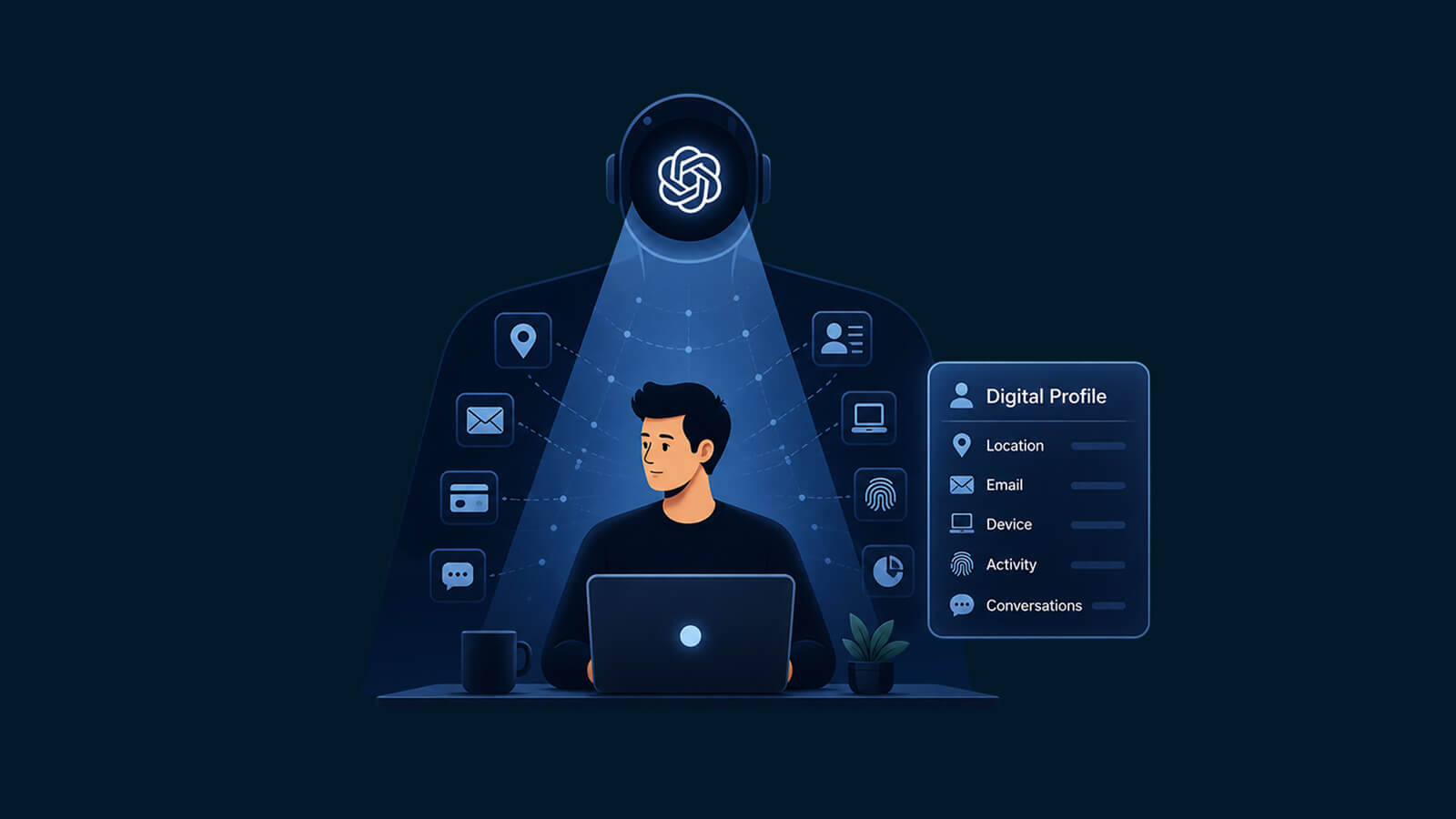
When you use an AI tool, companies collect far more than just your conversation text.
Conversation Content
Your actual prompts, questions, and the AI's responses are logged. This is the obvious data point. But it's only the start.
Personal Information You Provide
If you mention your name, email, company, location, or any identifying details in conversations, that's collected too.
Account Metadata
Your IP address, device type, operating system, browser information, and unique user ID are recorded with every interaction.
Usage Patterns
Which features you use, how long sessions last, what times you interact, which conversation topics you explore—all tracked. This reveals behavioral patterns that can be surprisingly revealing.
How AI Companies Use Your Data
Understanding what companies do with your data is critical.
Model Training
Your conversations help train and improve the AI model. OpenAI, Anthropic, Google, and Microsoft all use conversation data to make their AI smarter.
Product Analytics
Usage data helps companies understand which features people use and how to improve the product. This is legitimate product development—but it means your behavior is being analyzed.
Real-world example: You ask Claude about your salary negotiation strategy. That conversation stays on Anthropic's servers. You ask ChatGPT the same question? OpenAI uses it to train the next version of GPT.
Using AI tools with VPN and privacy settings significantly reduces (but doesn't eliminate) data collection. True privacy requires not using these services at all, or using local, open-source alternatives.
How to Protect Your Privacy
If you use AI tools, practical protection strategies exist.
Use VPN Before Accessing
When you use a VPN, your IP address is hidden from the AI service. A VPN creates a privacy layer before your data reaches the AI company's servers.
Turn Off Chat History
Most AI platforms allow you to disable conversation history in settings. If conversations aren't stored, they can't be breached or reviewed.
Limit Personal Information Input
Don't share names, email addresses, locations, or specific identifying details with AI. Treat AI like a stranger—assume conversations might be reviewed.
Review Privacy Settings
Most platforms offer granular privacy controls. Check your account settings for training data consent, conversation retention, and data deletion options.
Delete Conversations Regularly
If you do share personal information, delete conversations frequently. Many services allow bulk deletion. Regular cleanup means less data is stored long-term.
Use Privacy-Respecting Alternatives
Open-source AI models let you run AI locally on your own computer with no data leaving your system. Some AI options are built with privacy as the primary focus.
Before using an AI tool to solve a problem, consider: "Would I feel comfortable if this conversation was public?" If the answer is no, either don't share sensitive details, or use additional privacy protections (VPN, private mode, minimal personal info).
Privacy Risks & Regulatory Concerns
The data collection isn't just about creepy observation. Real risks exist.
Data Breach Exposure
AI companies are targets. If a company's servers are breached, millions of conversations could be exposed. These are your private thoughts, permanently compromised.
Conversation Visibility
Your conversations might be reviewed by employees, contractors, or AI-training services. OpenAI has human reviewers who see conversation samples. These people could screenshot your data.
Secondary Use
Your data might be sold, shared with partners, or used for purposes you didn't anticipate. Privacy policies often include vague language enabling "partner sharing."
Long-Term Implications
Today, you share health concerns with Claude. In 10 years, that data might be available to insurers, employers, or governments. Permanent records of private thoughts have risks we haven't fully explored.
Privacy-Focused AI Alternatives
If mainstream AI tools concern you, privacy-first options exist.
Anthropic's Claude
Anthropic positions Claude as privacy-respecting compared to ChatGPT. While not perfect, they don't explicitly train on all conversations by default. Their research-focused approach suggests privacy is valued.
Open-Source Models (Local)
Projects like LLaMA, Mistral, and others allow you to run AI models locally on your own computer. All processing stays on your machine. No data leaves your system. Tradeoff: lower performance than cloud models.
Privacy-Preserving Services
Some startups offer AI with local processing or encrypted conversations. These are emerging but less polished than ChatGPT. Examples: Perplexity (with privacy options) and various open-source solutions.
The Tradeoff
Privacy-first AI typically means less capability. Local models are slower. Open-source options require technical setup. Most users will accept some data collection in exchange for convenience. The choice is personal.
Best Practices & Moving Forward
The AI privacy landscape is evolving rapidly. Here's how to stay ahead.
What NOT to Share with AI
- Passwords or authentication codes
- Social security numbers or financial account details
- Medical diagnoses or treatment plans (unless anonymized)
- Proprietary business information
- Anything you wouldn't want publicized
Data Minimization Mindset
Share only what's necessary to get the AI's help. Need help with a business email? Share the context without company or client names. Researching health? Ask general questions without personal medical history.
Regular Privacy Audits
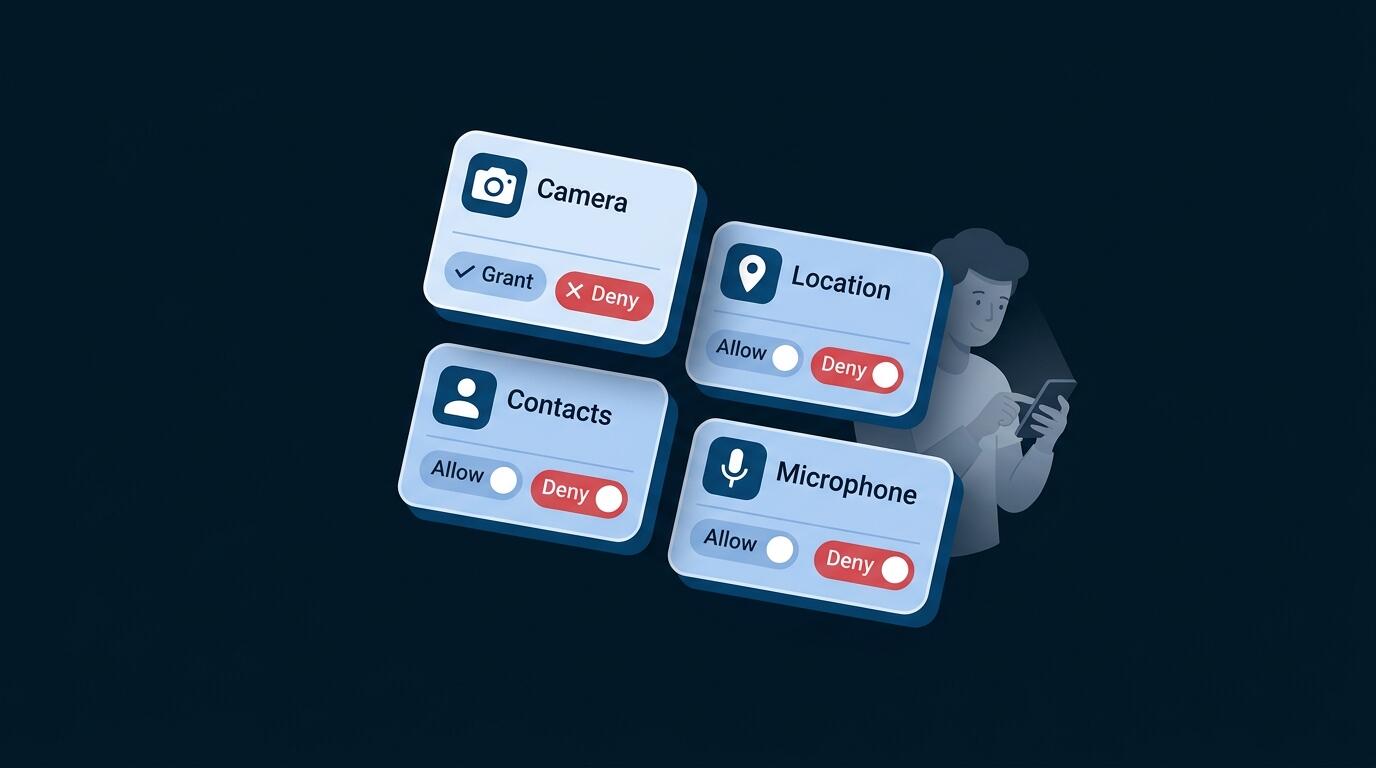
Every few months, review your AI account settings and conversation history. Delete old conversations. Check which apps have permissions. Update privacy preferences as platforms change their policies.
Stay Informed
AI privacy policies change. Regulations evolve. Follow privacy-focused tech news. Understand that terms you agreed to a year ago might be different today.
Advocate for Better Privacy
Use your voice. If you care about privacy, tell AI companies. Request better defaults. Support regulation that prioritizes user rights. Industry change happens when users demand it.
Frequently Asked Questions
Common questions about AI privacy and data collection
ChatGPT is safe in the sense that it won't infect your device. But it's not private—your conversations are stored and potentially used for training. Safety and privacy are different concerns.
By default, yes. ChatGPT stores conversations indefinitely unless you manually delete them or turn off history. However, you can disable the feature to prevent storage.
Technically no. Most require accounts, which tie data to your identity. You can reduce identifiability with VPN and by avoiding personal details, but true anonymity is difficult.
Anthropic claims Claude doesn't train on conversations by default, making it more privacy-respecting than ChatGPT. But less transparency exists around their data practices.
Yes, but only partially. VPN hides your IP address and location. But the AI service still sees your account name, conversation content, and usage patterns.
You can delete individual conversations or clear history. You can also request account deletion, which removes your account and associated data. But data already used for model training can't be un-trained.
If you run them locally on your own computer, yes—nothing leaves your machine. But downloading models or using online versions of open-source AI still involves sending data to those services.
Avoid passwords, financial details, medical information, proprietary data, and anything else you'd consider confidential. Treat AI like a public conversation, not a private journal.
Most claim they don't directly sell individual conversation data. But they use it for model training, analytics, and improvement. The practical result is your data is being monetized.
Yes. GDPR and emerging AI-specific regulations force companies to be transparent and give users more control. But regulation lags technology.