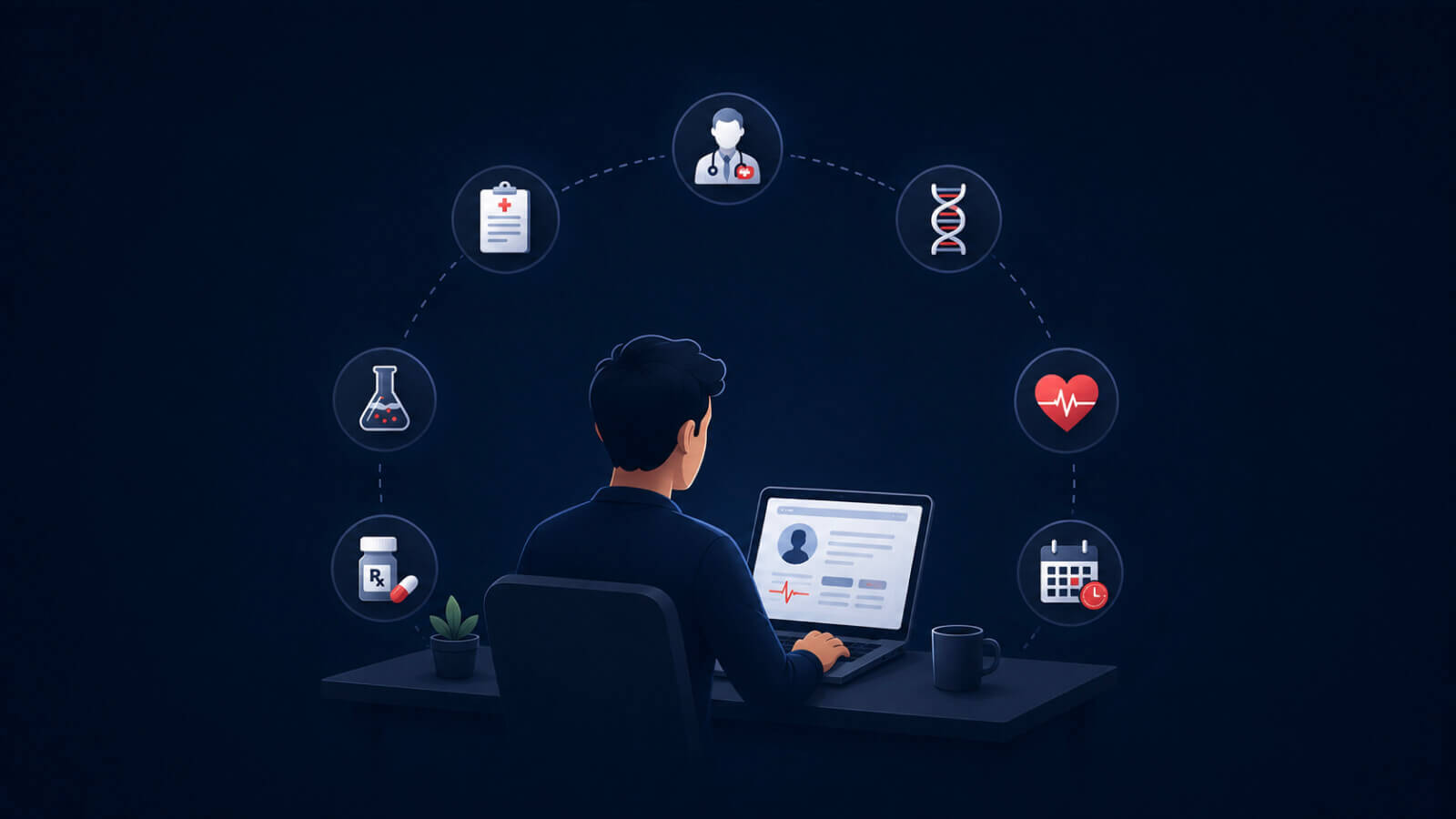
You book an online doctor appointment to avoid the waiting room. You download a fitness app to track your wellness journey. You check your patient portal for lab results from home. These moments feel private, routine, safe. But behind every keystroke, every upload, every consultation video: your health data is traveling across the internet—often unencrypted, sometimes unprotected, always valuable to cybercriminals. This is the hidden reality of modern healthcare: your medical privacy is only as strong as the security protecting it.
Why Medical Privacy Online Matters Now
Telemedicine adoption has exploded. Since 2020, millions of patients use online doctors, health apps, and digital health platforms daily. Convenience is undeniable—but so are the risks.
Health data is the most valuable personal information cybercriminals can steal. A complete medical record sells for 10–50 times the price of a stolen credit card number. Why? Because with your health history, criminals can commit insurance fraud, access prescription medications, assume your identity for years, or hold your medical data ransom.
- Healthcare data breaches expose 100+ million records annually
- Medical identity theft costs victims $500–$5,000+ per incident to resolve
- Recovery time: Average 200+ days from breach discovery to resolution
The threats are real and documented. Healthcare data breaches expose millions of records annually. In 2025 alone, major hospital systems, pharmacy networks, and health apps suffered breaches affecting over 100 million patients. Your medical history, lab results, mental health information, genetic data, prescription records—all exposed, often permanently.
But here's the empowering truth: you can protect your medical privacy online. Understanding what data is collected, where risks hide, and how to defend your health information gives you control.
What Health Data Is Collected Online?
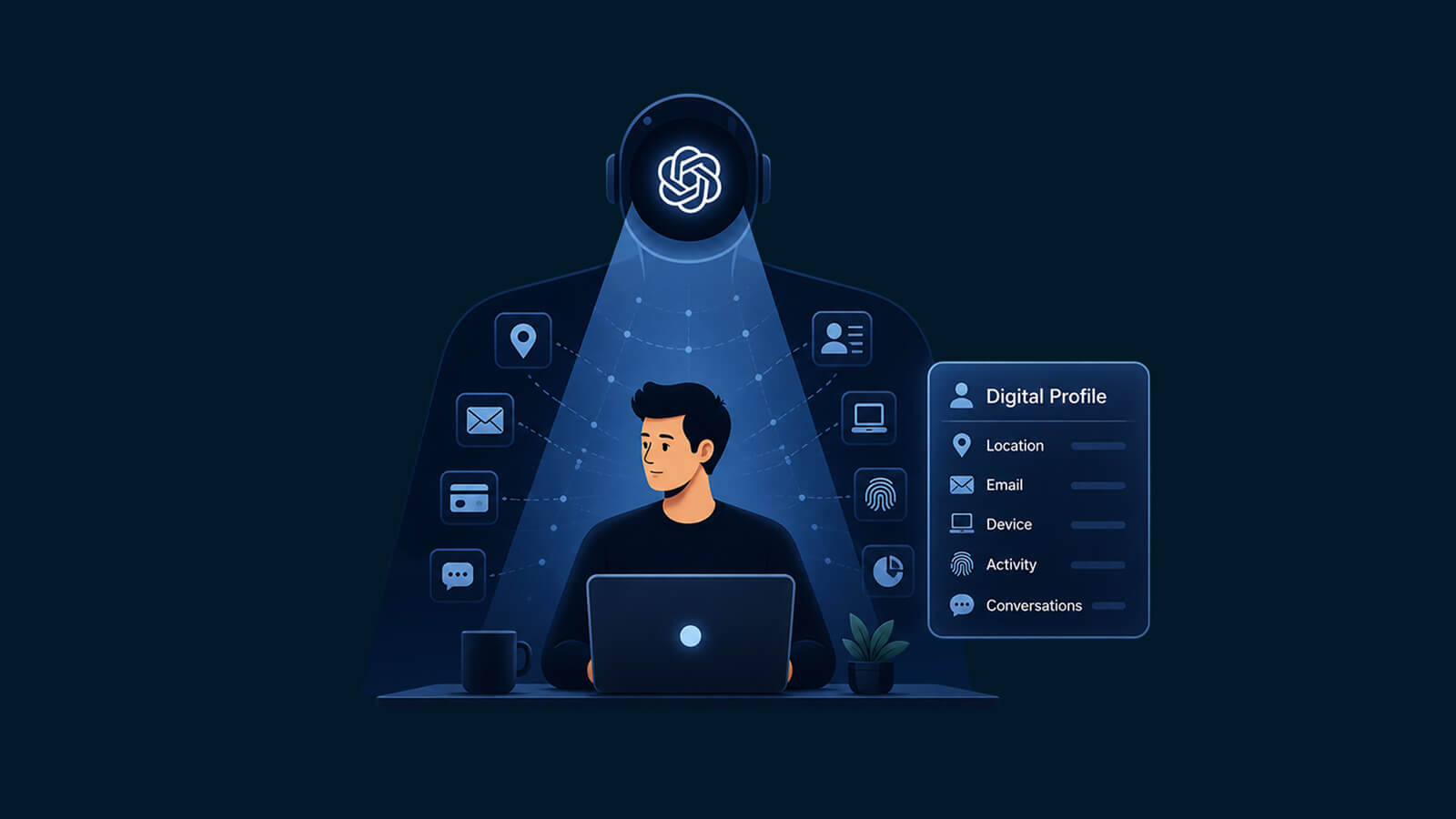
When you use healthcare services online, companies collect far more data than your diagnosis or treatment plan. Understanding what's collected is the first step to medical privacy protection.
Telemedicine Consultations: Video calls with online doctors generate metadata: when you called, how long you talked, your location, device information, call quality data. Healthcare platforms store call recordings, doctor notes, chat history, and medical summaries. Some platforms share this telemedicine data with insurance companies automatically—often without clear patient consent.
Health App Data & Medical Information: Fitness trackers, symptom checkers, mental health apps, and wellness platforms collect continuous behavioral health data: steps walked, sleep cycles, mood entries, medication reminders, blood pressure readings, menstrual cycles, anxiety logs. This health app data is stored in company servers—often in different countries with weaker privacy laws.
Medical Records & Patient Portals: Electronic health record (EHR) platforms store complete medical histories: diagnoses, medications, allergies, test results, surgical procedures, immunization records. Many healthcare providers use third-party hosting services, meaning your patient data is stored on cloud servers controlled by companies that aren't healthcare providers themselves.
Prescription & Pharmacy Systems: Online pharmacies track which medications you order, dosages, refill patterns, delivery addresses. This reveals sensitive information about health conditions.
Insurance Platforms & Claim Data: Insurance companies collect your complete claims history, pre-authorization requests, coverage denials, and communication records. This health data is monetized and used for algorithmic decision-making about your coverage.
Most users are unaware of what data is collected, stored, or shared with third parties across telemedicine platforms, health apps, and wearables.
Privacy Risks of Online Medical Services
The risks of online health data exposure aren't theoretical—they're happening now. Understanding these privacy threats helps you protect your medical data effectively.
Data Breaches & Medical Record Exposure: Healthcare organizations are prime cybercriminal targets because medical data has such high value. When servers are breached, millions of patient records are stolen, sold on dark web marketplaces, or held for ransom. Recent breaches have exposed vaccination records, mental health therapy notes, HIV status, and complete medical histories. Once exposed, this health data circulates forever.
Unauthorized Access to Medical Records: Healthcare workers with access to patient portals sometimes browse medical records without authorization. Insurance company employees access claims data. Billing contractors access medical histories. Each person with system access is a potential vulnerability to your medical privacy.
Health Insurance Discrimination: Insurance companies use health data to deny coverage, increase premiums, or exclude pre-existing conditions. If your health app data shows anxiety or depression, insurers may increase mental health coverage costs.
Data Sold to Advertisers & Data Brokers: Health app companies and pharmacies sell anonymized (but often re-identifiable) health data to advertisers, pharmaceutical companies, and data brokers. Your search for migraine medications becomes an ad for migraine treatments.
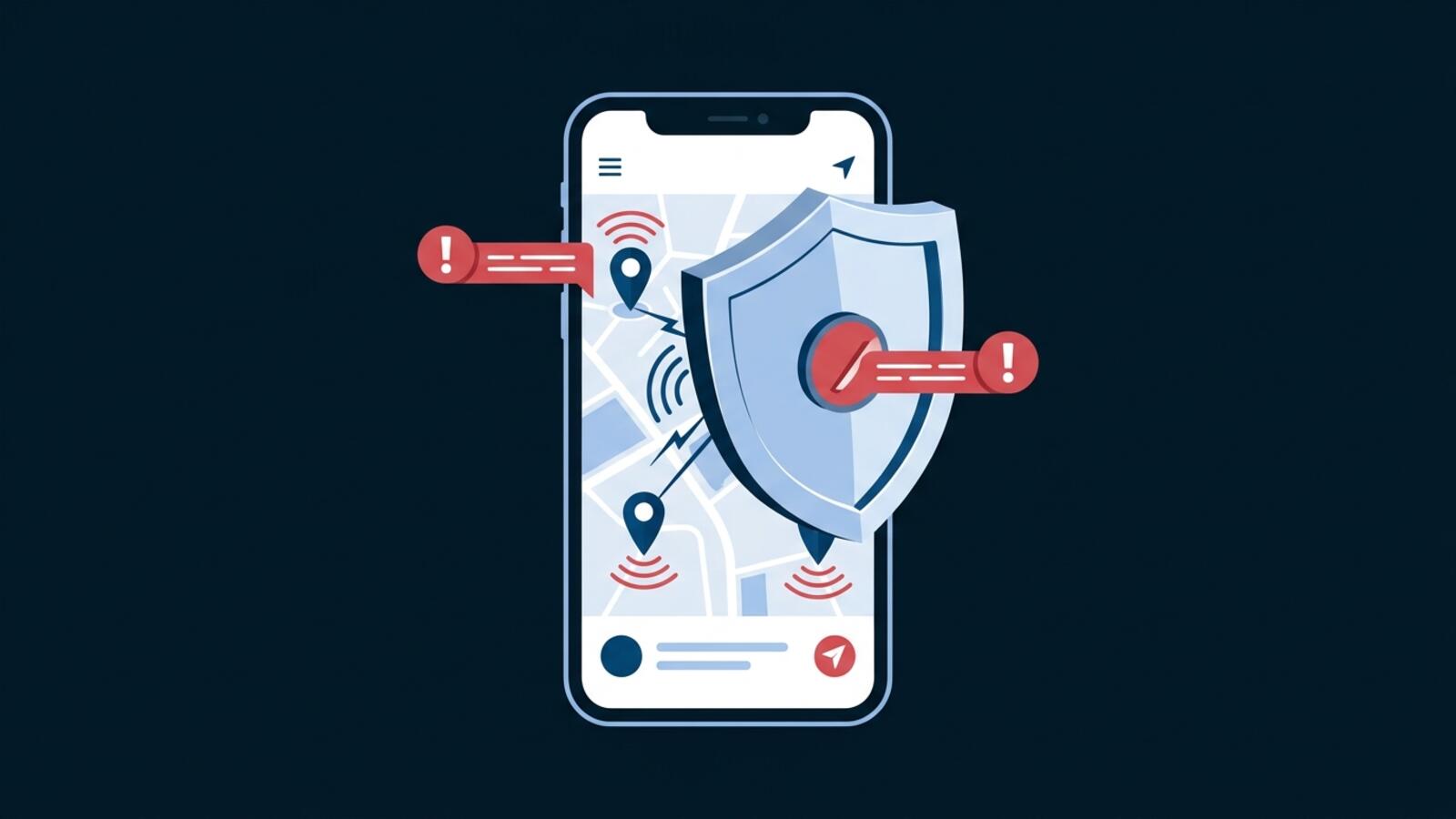
Protect your medical privacy with layered security: use VPN encryption for all online health services, enable two-factor authentication on medical accounts, and review privacy settings on all health apps quarterly.
How VPN Protects Your Medical Privacy
A VPN (Virtual Private Network) is one of the most effective tools for protecting health data online. Here's why it matters:
- Encrypts All Health Data Traffic: VPN encrypts every byte of data between your device and the VPN server—including telemedicine videos, health app uploads, patient portal access, prescription orders. Encryption means that even if someone intercepts your connection, they see only encrypted data.
- Hides Your True IP Address: Your IP address reveals your approximate location, ISP, and device. With VPN, websites and apps see the VPN server's IP address instead of yours.
- Masks Your Online Activity from ISPs: Without VPN, your Internet Service Provider sees every website you visit and every app you use. VPN prevents this surveillance by encrypting your connection.
- Prevents Network Eavesdropping on Public WiFi: Public WiFi networks are notoriously insecure. If you access a telemedicine consultation on public WiFi without VPN, someone nearby could potentially intercept your video call or health data.
VPN transforms health data from exposed and vulnerable to encrypted and private.
Best Practices for Online Medical Privacy
VPN is essential—but it's one part of comprehensive health privacy protection.
- Use VPN Before Accessing Any Health Services Online — Make VPN your default for all healthcare access.
- Use VPN on All Your Devices — Health data travels across your phone, laptop, and tablet.
- Verify Telemedicine Platform Encryption — Check for the padlock icon in your browser (indicating HTTPS encryption).
- Use Official Health Apps Only — Download health apps directly from official sources to avoid fake or malicious versions.
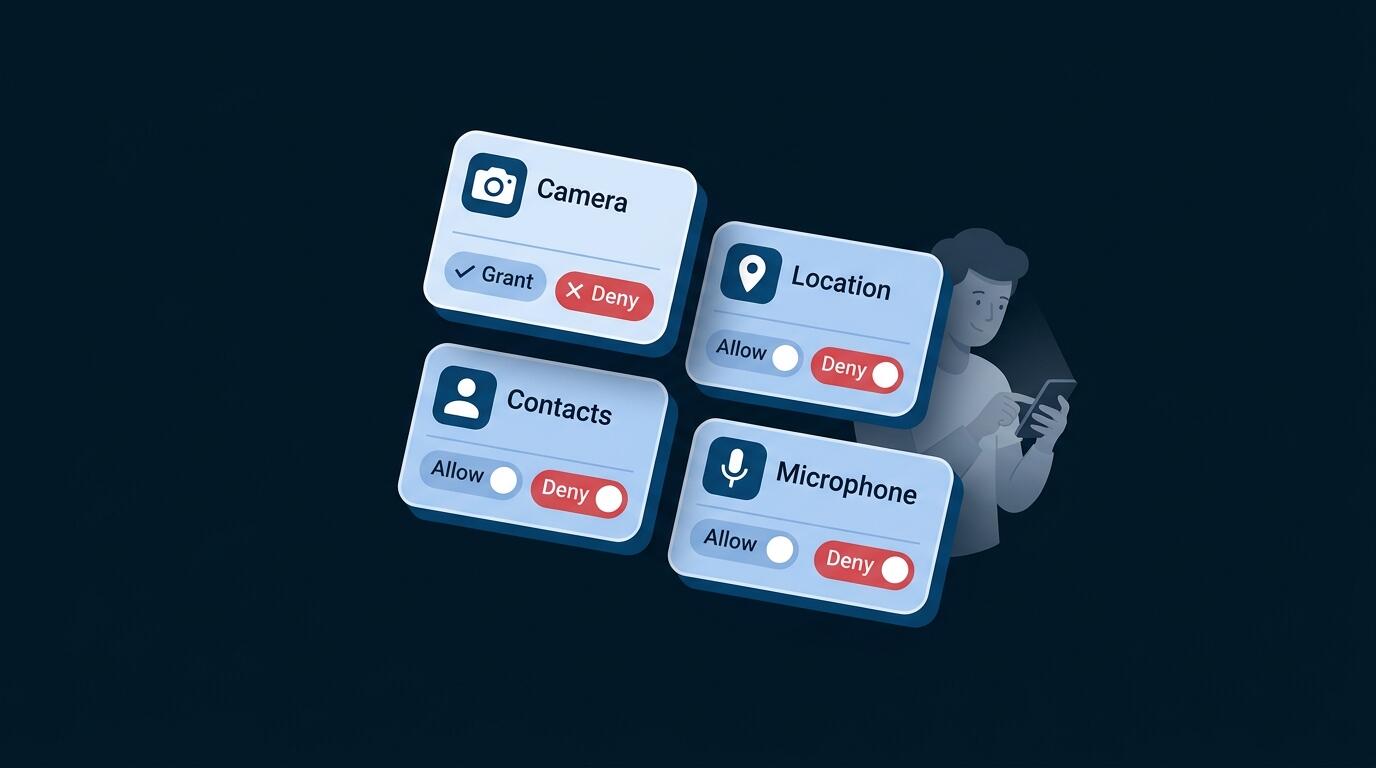
- Limit Health Data Sharing with Third Parties — Many health apps request permission to share data with social networks.
- Review Privacy Settings on All Health Platforms — Disable unnecessary data collection and marketing sharing.
- Use Strong, Unique Passwords for Medical Accounts — Healthcare account passwords should be at least 16 characters and randomly generated.
- Enable Two-Factor Authentication (2FA) — Add a second verification step to telemedicine platforms, patient portals, and health apps.
Telemedicine Security Checklist
Online consultations with doctors are convenient and often necessary—but they require security awareness.
Before Your Consultation:
- Connect to VPN first
- Use a private location where no one can overhear your conversation
- Test your camera, microphone, and internet connection in advance
- Check the platform's HTTPS connection (padlock icon)
- Verify the doctor's credentials and registration online
- Ensure you're on the official platform (not a phishing link)
During Your Consultation:
- Confirm your camera shows only your face (not background with personal information)
- Don't share your screen unless specifically requested
- Be aware that the doctor may take notes
- Don't give passwords, banking information, or overly personal details beyond what's medically necessary
Government Health Apps & Data Privacy
Many governments provide centralized health apps that consolidate health information. While run by public health services, be aware that:
- Your data is centralized in government systems
- Data can be accessed by law enforcement and regulatory agencies
- Integration with third-party providers may share data beyond the official platform
- Review permissions and data sharing settings carefully
Combine VPN protection with the best practices in this guide—strong passwords, 2FA, privacy settings, careful app selection, and data minimization. Layered protection is comprehensive protection.
Your Health Privacy Starts Now
Your health is personal. Your health data deserves privacy equal to the care you're seeking.
The combination of telemedicine adoption, health data monetization, and increasing cyberattacks creates a perfect storm of privacy threats. But awareness and protection tools change the equation.
Start today: Download VPN UK and protect your medical privacy across all devices. VPN UK's strong encryption ensures your telemedicine visits, health app data, and patient portal access stay private—not visible to ISPs, not intercepted on public WiFi, not vulnerable to eavesdropping.
Why VPN UK for health privacy?
- No-logs policy: We don't store records of your health-related activity
- Transparent security: Our privacy policy is clear and enforceable
- All devices covered: Install VPN UK on your phone, tablet, and laptop
- Free protection available: Earn unlimited minutes through optional ads